

When we smile back at ourselves in the mirror, we often focus on our teeth — particularly their whiteness. For many, this is the gauge of good oral health. However, the better indicator of good oral hygiene is actually found along the gum line. What color are your gums? Do they hug your teeth tightly? Is there any inflammation? Gum health is of paramount importance to oral hygiene, and if gum disease is lingering, your overall health may be at risk.
What do healthy gums look like?
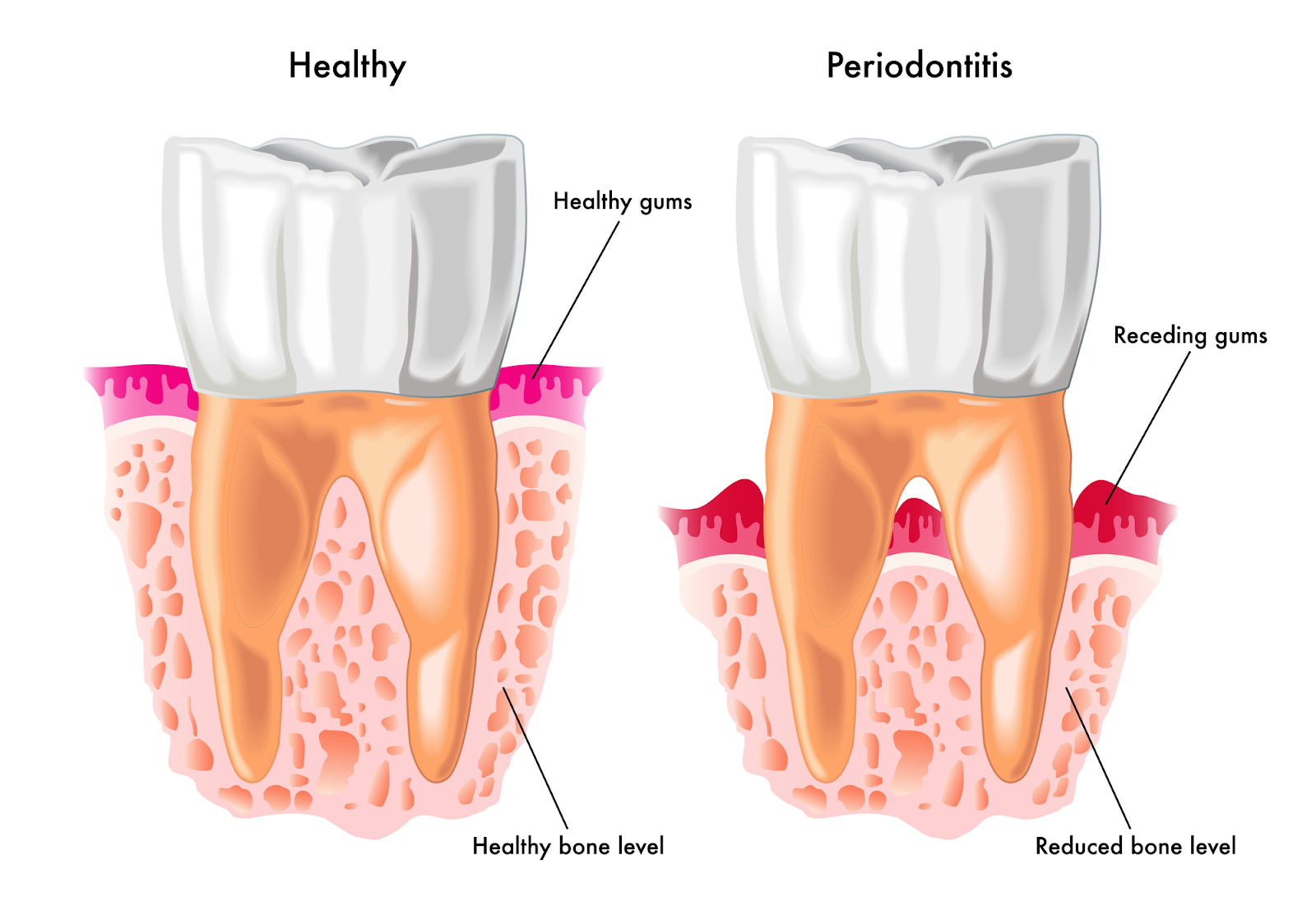
Healthy and unhealthy gums show noticeable differences, and early signs of gum disease can appear through symptoms like bleeding during regular brushing or flossing. When evaluating your oral health, your gums offer clear insight into how well your hygiene routine is working.
Characteristics of healthy gums include:
-
Medium pink color at the base and a paler pink color closer to the teeth
-
No swelling or inflammation
-
The contours of the teeth beneath the gum line are faintly visible
-
Hug the teeth tightly
-
Gum smoothly tapers off the tooth
-
No loose teeth
Consequences of Poor Gum Health
When oral hygiene isn’t maintained, and gums are impacted, the consequences are far-ranging. It begins with less severe issues, such as bad breath, painful chewing, and sensitive teeth. However, as bacteria accumulate in the soft tissues surrounding the teeth, periodontitis develops, and the patient is at risk of developing more serious health issues when the bacteria enters the bloodstream.
Poor gum health can lead to:
-
Diabetes
-
Respiratory infections
-
Stroke
-
Cardiovascular disease
-
High blood pressure
-
Dementia
-
Depression and anxiety
-
Kidney disease
Maintaining Gum Health
Gum health is easily maintained with consistency and attention to everyday oral hygiene habits. This includes brushing twice daily with fluoride toothpaste, flossing, limiting alcohol consumption, avoiding smoking, consuming foods low in carbohydrates and starches, and visiting your dentist regularly for professional cleanings. With good oral hygiene, gums remain healthy, and the overall health issues that come with gum disease are kept at bay. A common misconception is that lack of everyday attention to oral health leads to minor consequences such as toothaches and bad breath—which are easily corrected if experienced. However, the reality is that poor oral hygiene leads to poor gum health, which can have dire consequences for overall health.
If you have questions about the connection between oral hygiene and gum health, contact us.